
Canada Visa Application: Applying for a Canadian visa involves submitting an application to the Canadian Immigration Authorities. Eligibility depends on the type of visa and the individual’s circumstances. Applicants must provide necessary documents, pass a medical exam, and undergo background checks. Guidelines vary for each visa category. Processing times can take from a few days up to several months. Applicants are advised to prepare thoroughly and consult the official Canadian Immigration website for up-to-date information.
Table of Contents
Important information
| Topic | Description |
|---|---|
| What is a Canada Visa? | A permission to enter and legally stay in Canada temporarily or permanently. |
| Canada Visa Eligibility | People from countries without a visa exemption or eTA agreement with Canada. |
| Types of Canada Visa | Visitor visa, student visa, work visa, permanent residence visa, business immigrant visa, etc. |
| Application Process | Determine which visa is needed, create an account, submit documents, and pay fees. |
| Processing Time | Can take anywhere from two to four weeks or longer. |
| Letter of Invitation | Can help someone else’s visa application but does not guarantee approval. |
| Overstaying a Canada Visa | Restore status if less than 90 days overstayed or leave Canada (may not be able to get another visa). |
| Canada Visa Fees | Depends on the type of visa. |
| Rejected Canada Visa | Reapply if situation has changed or additional information is available. |
| Refunds for Canada Visa | Application fees are non-refundable except in certain circumstances. |
| Applying for a Canada Visa from Another Country | Apply at the Canadian embassy or Visa Application Center responsible for the jurisdiction. |
| Biometrics for Canada Visa | Most applicants need to give fingerprints and a picture. |
| What Does a Canadian Visa Look Like? | A stamp on the passport with information such as place of issuance, date of issuance and expiration, number of entries allowed, document number, visa category, visa type, and the visa holder’s name and passport number. |
What is a Canada Visa?
 A Canada visa is an official document issued by the Canadian government that grants a foreign national permission to enter and stay in Canada for a specified period. There are various types of Canadian visas, including tourist visas, study permits, work permits, and permanent resident visas, each with distinct eligibility requirements and conditions.
The visa application process involves submitting an application form, providing supporting documents, and paying the required fees. The decision to issue a visa is made by the Canadian embassy or consulate based on the applicant’s background, travel plans, and ties to their home country.
Obtaining a Canadian visa does not guarantee entry into Canada, as the final decision rests with the border officer.
Who Needs a Canadian Visa?
 A Canadian visa is required for individuals who intend to enter Canada for reasons other than as a citizen or permanent resident.
This includes tourists, students, workers, and temporary residents. The Canadian government imposes these requirements to ensure the safety and security of its citizens, as well as to manage the flow of people entering the country.
Depending on the purpose and duration of your stay, different types of visas may apply. For instance, a Temporary Resident Visa (TRV) is necessary for short-term stays, while a Study Visa or Work Visa may be required for longer periods. It is essential to apply for the appropriate visa before traveling to Canada to avoid any issues at the border.
What are the Canada Visa Types?
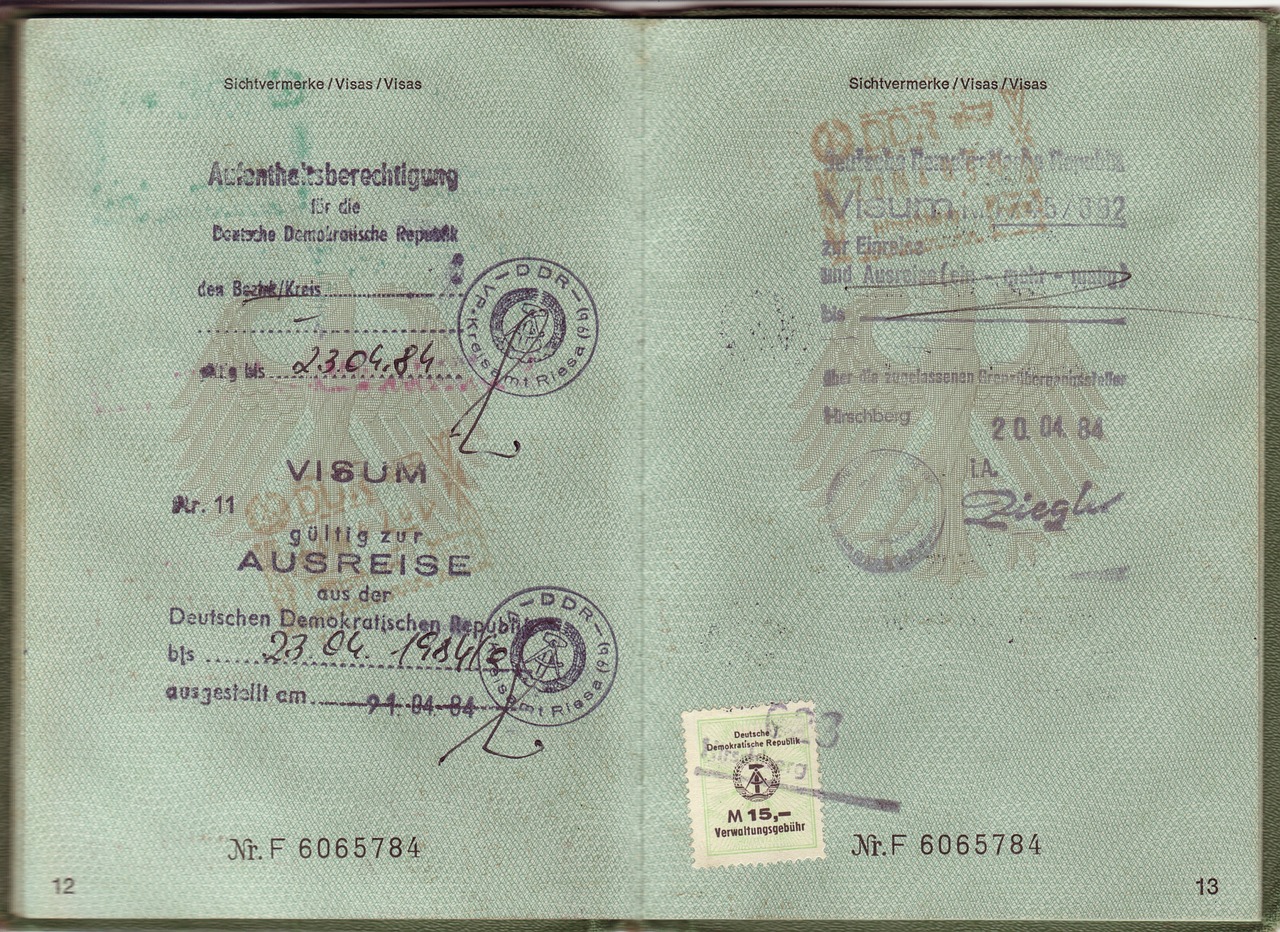 Canada offers various visa types catering to diverse purposes and durations of stay. The primary categories include:
1. Temporary Resident Visas: For individuals planning to visit, study, or work in Canada for a specified period.
2. Permanent Resident Visas: For those intending to live and work in Canada permanently through various programs like Express Entry, Provincial Nominee Programs, or Family Sponsorship.
3. Work Permits: Granted to individuals with a valid job offer from a Canadian employer, allowing them to work in Canada for a specified duration.
4. Study Permits: Issued to students accepted into a Canadian educational institution, enabling them to study and live in Canada for the duration of their program.
5. Business Immigration: For entrepreneurs and investors seeking to establish or invest in businesses in Canada, offering various visa options based on the nature and scale of their business plans.
6. Family Sponsorship: Allows Canadian citizens and permanent residents to sponsor their family members for immigration to Canada.
7. Refugee and Humanitarian Protection: Provides protection to individuals fleeing persecution or humanitarian crises, offering various types of visas and statuses based on their circumstances.
Canada Visa Application
 Canada visa applications are processed through various channels depending on the type of visa and the applicant’s country of residence. The process begins with completing the online application form and paying the fee. Applicants must provide all required documents, including proof of financial resources, a valid travel document, and biometric information.
Incomplete applications may be refused.
Processing times vary depending on the type of visa and the volume of applications.
Once the application is approved, the applicant will receive a visa or an Electronic Travel Authorization (eTA) if traveling by air. It’s important to note that meeting the requirements does not guarantee issuance of a visa. Applicants should carefully review the instructions and requirements before submitting their application.
After a Successful Canadian Visa Application
 After a successful Canadian visa application, applicants are granted authorization to enter and temporarily or permanently reside in Canada, depending on the visa category.
Upon arrival, they must go through border control and present their original documents, including the approved visa. Newcomers are then expected to comply with the conditions of their visa or permanent residence status, such as reporting their address to the authorities and maintaining sufficient financial resources. They may also be required to undergo medical examinations and obtain necessary permits or licenses for work or study.
Successful applicants are encouraged to familiarize themselves with Canadian laws, customs, and the community to ensure a smooth transition and integration into their new life in Canada.
How Long Does it Take to Get a Visa to Canada?
 The processing time for a Canadian visa application depends on the type of visa and the individual’s country of citizenship.
For example, tourist visas and work permits for citizens of countries with a quick processing system can take as little as a few days, while study permits or work permits for citizens of countries with longer processing times can take several weeks or even months.
Applicants can check the current processing times on the Canadian Immigration, Refugees and Citizenship Canada (IRCC) website.
Expedited processing may be available for an additional fee or in certain circumstances, such as emergency situations or compassionate grounds. It’s important to note that the IRCC strives to process applications as efficiently as possible, but there may be delays due to high application volumes or additional security checks. Applicants are encouraged to apply well in advance of their intended travel date to allow sufficient time for processing.
Can I Help Someone Get a Canada Visa?
It’s understandable to want to help someone in need, especially when it comes to navigating the complexities of obtaining a Canada visa. However, it’s important to recognize that the visa application process is quite personal and requires direct involvement from the applicant.
While you can offer support and guidance, ultimately, the individual seeking the visa needs to take the lead in gathering necessary documents and meeting requirements. Encouraging them to seek assistance from official sources like the Canadian government’s immigration website or accredited immigration consultants can ensure they receive accurate and tailored advice. Remember, while your help is appreciated, the responsibility for obtaining a Canada visa lies with the applicant.
How Can I Extend my Stay in Canada?
 If you find yourself wanting to stay in Canada for an extended period beyond your initial visit, there are several options to consider. Depending on the reason for your stay and your eligibility, you may be able to apply for a new visa or extend your current one.
For those on a temporary resident visa, such as students or workers, you may be able to apply for an extension if you meet the eligibility requirements. This typically involves demonstrating that you have a valid reason for extending your stay and that you continue to meet the conditions of your initial visa.
Alternatively, if you wish to permanently reside in Canada, you may be able to apply for permanent residence through various programs such as the Express Entry system or the Provincial Nominee Program. This involves submitting an application and meeting the eligibility criteria for the specific program.
It’s important to note that the process for extending your stay or applying for permanent residence can take some time, so it’s best to begin the application process well before your current visa expires. Additionally, it’s recommended that you consult with an immigration professional to ensure that you have the best possible chance of success in your application.
What Happens if I Overstay my Canada Visa?
 Overstaying a Canada visa can result in serious consequences. If you have exceeded the validity of your visa, you may be considered out of status. This means that you no longer have authorization to work or study in Canada. Overstaying can also negatively impact your future visa applications.
The Canadian government takes overstaying seriously and may impose penalties such as fines or even deportation. It is important to leave Canada before your visa expires to avoid these consequences and maintain a positive immigration record. If you find yourself in this situation, it is recommended that you consult with an immigration lawyer for advice on the best course of action.
How Much is a Canada Visa Fee?
 Canada visa fees vary depending on the type of visa and the applicant’s country of origin.
As of 2021, a single-entry visitor visa costs CAD 100 for most applicants, while a multiple-entry visa costs CAD 150.
For applicants from countries requiring a visa to enter Canada, the processing fee for a study or work permit is CAD 150.
Family sponsorship applications have separate fees, ranging from CAD 75 to CAD 1,225 per person.
Applicants should check the official Canadian government website for the most up-to-date fees and to determine which fees apply to their specific situation.
What if My Canada Visa is Rejected?
 If your Canada visa application is rejected, you will receive a letter explaining the reason for the refusal. It is important to carefully review the letter to understand the grounds for the decision. Common reasons for visa refusal include incomplete or incorrect applications, failure to meet the eligibility requirements or security concerns.
If you believe that the decision was in error, you have the option to appeal or reapply. You may need to provide additional documentation or information to support your application. It is recommended that you consult with an immigration lawyer or expert to help you navigate the process and increase your chances of success.
Regardless of the outcome, it is essential to learn from the experience and address any issues that may have led to the refusal. This may involve improving your application process, addressing any eligibility concerns, or seeking professional advice to ensure that your future applications are strong and complete.
Will I Get a Refund if my Canada Visa Application is Rejected?
 If your Canada visa application is rejected, you will not be allowed to enter Canada with that particular visa. The rejection may be due to various reasons, such as incomplete or incorrect application forms, missing documents, or failure to meet the eligibility criteria.
In such cases, the application fee is generally non-refundable unless the Canadian embassy or consulate makes an error during the processing of your application. If you believe that an error was made, you may be able to request a refund by submitting a written explanation and supporting documents to the Canadian embassy or consulate. However, there is no guarantee that your request will be granted.
It is important to carefully review the instructions and requirements of your visa category before submitting your application to avoid any potential issues and unnecessary application fees.
Can I Apply for a Canada Visa From Another Country?
 If you are currently residing outside of Canada and hold a valid visa or permit from another country, you may still be eligible to apply for a Canadian visa. However, the application process and requirements can vary depending on your specific circumstances and the type of visa you are seeking.
In general, you will need to meet the standard eligibility criteria for the desired visa, including health and criminality requirements, and provide all necessary documentation. It is important to note that if you are currently in Canada on a valid status, you should not leave the country without first obtaining proper authorization from the Canadian authorities to prevent potential issues with re-entry. If you are applying from a country where Canada does not have a visa application center, you may need to submit your application through the Canadian embassy or consulate in a nearby country.
It is recommended that you consult with the Canadian embassy or consulate in your current location for the most accurate and up-to-date information on the application process and requirements for your specific situation.
Do I Need to Submit Biometrics For my Canada Visa Application?
 If you are applying for a Canadian visa, you may be required to submit biometrics as part of the application process. Biometrics refer to specific identifying information, including fingerprints and a photograph.
This requirement applies to most applicants, including those who are applying from inside Canada or abroad and those who have previously provided biometrics for a Canadian visa or permanent residence application. Exemptions may apply for certain applicants, such as children under the age of 14 and senior citizens over 79.
It is important to note that biometric data is valid for ten years for visa applications and for five years for permanent residence applications. Applicants are encouraged to check the Canadian Immigration, Refugees, and Citizenship Canada (IRCC) website for the most up-to-date information on biometric requirements and exemptions.
What Does a Canadian Visa look like?
 A Canadian visa is not a physical object but rather a document or label endorsed in a passport or travel document, indicating that the holder has been granted permission to enter or transit through Canada.
There are various types of Canadian visas, including tourist visas, study permits, work permits, and permanent resident visas, each with distinct features. For instance, a study permit may include the name and address of the educational institution the student will attend, while a work permit may specify the employer and job title. A temporary resident visa, which is often required in addition to a permit, appears as a label in the passport and indicates the length of stay authorized in Canada.
How Can I Travel to The US as a Canada Visa Holder?
 As a Canadian visa holder, traveling to the US is relatively straightforward. However, it’s essential to follow the proper procedures to ensure a smooth border crossing.
Ensure your Canadian visa is valid and in good standing. Then, prepare the necessary documents for entry into the US, including a valid passport, proof of Canadian residency (such as a permanent resident card), and a completed Form I-131, Application for Travel Document (if you require a re-entry permit). Lastly, declare any goods or funds you plan to bring into the US, as customs regulations apply.
Border agents have the final say in granting entry, so be honest and cooperative during the inspection process.
Eligible countries
- Andorra
- Australia
- Austria
- Bahamas
- Barbados
- Belgium
- British citizen
- British National
- British overseas citizen
- British overseas territory citizen
- Brunei
- Bulgaria
- Chile
- Croatia
- Cyprus
- Czech Republic
- Denmark
- Estonia
- Finland
- France
- Germany
- Greece
- Hong Kong SAR
- Hungary
- Iceland
- Ireland
- Israel
- Italy
- Japan
- Republic of Korea
- Latvia
- Liechtenstein
- Lithuania
- Luxembourg
- Malta
- Monaco
- Netherlands
- New Zealand
- Norway
- Papua New Guinea
- Poland
- Portugal
- Romania
- Samoa
- San Marino
- Singapore
- Slovakia
- Slovenia
- Solomon Islands
- Spain
- Sweden
- Switzerland
- Taiwan
- United Arab Emirates
- Vatican City
Summary
A Canada visa is permission to enter and legally stay in Canada temporarily or permanently.
It is required for individuals from countries without a visa exemption or eTA agreement with Canada.
Types of Canadian visas include: visitor, student, work, permanent residence, business immigrant, etc.
The application process involves checking eligibility, creating an account, compiling documents, and paying fees.
The processing time varies and can take from two to four weeks or longer.
A rejected application does not result in a refund of fees.
If overstayed, the consequences depend on the length of overstay.
The fee for a normal visitor visa is CAD 100.
If applying from another country, you may need to visit a nearby country to apply.
Most visa applicants must provide biometrics (fingerprints and pictures).
A Canadian visa is a stamp on the passport and includes information such as place of issuance, date of issuance and expiration, number of entries allowed, document number, visa category, visa type, and visa holder’s name and passport number.