
The Philippines is a popular tourist destination known for its beautiful beaches, rich culture, and vibrant cities. For travelers planning a visit, it’s essential to understand the visa requirements. The Philippines offers various types of visas, including tourist visas, work visas, and student visas. A tourist visa allows stays of up to 30 days, while extended stays may require applying for a renewal or a new visa. It’s important to note that visa policies and procedures can change, so it’s recommended to check the latest information from the Philippine Embassy or Consulate in your country before traveling.
Table of Contents
Important informations
Do I Need a Visa for the Philippines?
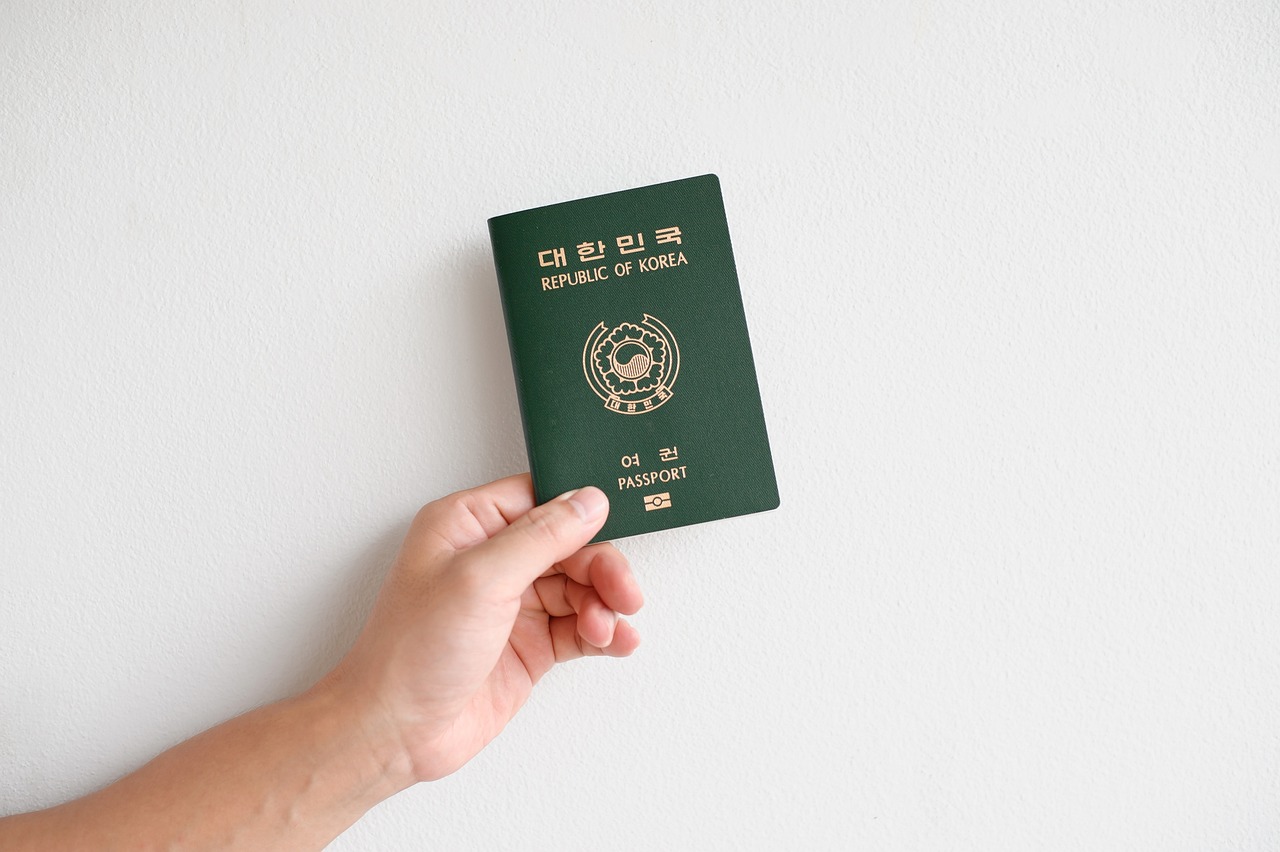 Citizens of certain countries require a visa to enter the Philippines. The type of visa needed depends on the length and purpose of your stay. For tourism, a 30-day visa-free stay is granted to citizens of select countries. However, if you plan to stay longer than 30 days, you must apply for a tourist visa before arriving in the Philippines. Business travelers may need a different type of visa, such as a Temporary Visitor’s Visa (9g) or a 9(A) Special Non-Immigrant Visa. It’s essential to check the Philippine Embassy or Consulate website in your country for the most up-to-date visa requirements and application procedures. Failure to obtain the correct visa may result in denied entry or deportation.
What are the Types of Philippine Visas?
 The Philippines offers various types of visas catering to different purposes and durations of stay. The most common types include:
1. Tourist Visa: Issued to individuals intending to enter the Philippines for pleasure or to visit family and friends. Tourist visas are valid for 30 days, but can be extended for an additional 29 days.
2. Business Visa: Granted to individuals who intend to conduct business activities in the Philippines, such as attending meetings, conferences, or negotiating contracts. Business visas can be valid for up to 6 months.
3. Student Visa: Issued to individuals who have been accepted into a recognized educational institution in the Philippines. Student visas can be valid for the duration of the academic program.
4. Work Visa: Granted to individuals who have secured employment in the Philippines or have been engaged in a business there for a considerable period. Work visas can be valid for up to one year, and can be extended based on the length of employment.
5. Retiree Visa: Available to individuals who are 35 years old or older and can prove a monthly pension or retirement benefit of at least US$800. Retiree visas can be valid for up to one year, and can be renewed annually.
6. Investor Visa: Issued to individuals who have invested a substantial amount of money in the Philippines and intend to establish or manage a business there. Investor visas can be valid for up to two years, and can be extended based on the continued operation of the business.
7. Transit Visa: Granted to individuals who are passing through the Philippines en route to another country, and who intend to remain in the Philippines for less than 72 hours. Transit visas are typically valid for 5 days, but can be extended for an additional 14 days.
8. Special Visas: There are also various special visas available for individuals in specific circumstances, such as diplomats, journalists, cultural performers, and religious workers. These visas have unique requirements and validity periods.
Philippines Tourist Visa (Temporary Stay)
 The Philippines Tourist Visa, also known as a Temporary Visa, allows foreign nationals to enter and stay in the Philippines for tourism purposes for a specified period. Generally valid for 30 days, this visa can be extended up to five months at the Bureau of Immigration. Applicants must provide a valid passport, completed application form, recent passport-sized photographs, proof of financial capability, and a return ticket or proof of onward travel. Fees vary depending on the length of stay and the applicant’s nationality. It is essential to comply with the visa conditions and adhere to Philippine laws and regulations to avoid overstaying or violating the visa’s terms.
How Can I Apply for a Philippines Visa?
 To apply for a Philippines visa, follow these steps: First, determine which type of visa you need based on the purpose and duration of your stay. Common types include tourist, work, and student visas. Next, gather the required documents, such as a valid passport, completed application form, and proof of financial capability. Some visas may also require additional documents, such as a contract of employment or proof of enrollment in a school.
Once you have all the necessary documents, submit your application and supporting documents to the Philippine embassy or consulate in your country. You may be required to attend an interview. Processing times vary, so be sure to check with the embassy or consulate for current wait times. If your application is approved, you will be issued a visa, which will be affixed to your passport. Make sure to allow enough time for the application process to ensure that you can travel to the Philippines as planned.
Apply for Philippines Visa at an Embassy/Consulate
 Applying for a Philippine visa at an embassy or consulate involves several steps. First, applicants must determine the type of visa they require based on the purpose and duration of their intended stay in the Philippines. This could be a tourist visa for those planning a vacation, a business visa for those attending business meetings or conferences, or a work visa for those taking up employment.
Once the visa type is identified, applicants must gather the necessary documents. These typically include a valid passport with at least six months’ validity, completed application form, passport-sized photographs, proof of financial means, and supporting documents related to the purpose of the visit.
Applicants should then schedule an appointment with the embassy or consulate and attend the interview. During the interview, they will be required to present their documents and answer questions regarding their travel plans and reasons for visiting the Philippines.
If the application is approved, the applicant will receive their visa sticker in their passport. This visa may be valid for a specific period, and applicants should ensure they enter the Philippines before the expiration date.
It’s important to note that visa requirements and procedures can change, so applicants should check the embassy or consulate website for the most up-to-date information. Additionally, processing times can vary, so applicants are encouraged to apply well in advance of their intended travel date.
Apply for a Philippines Visa On Arrival
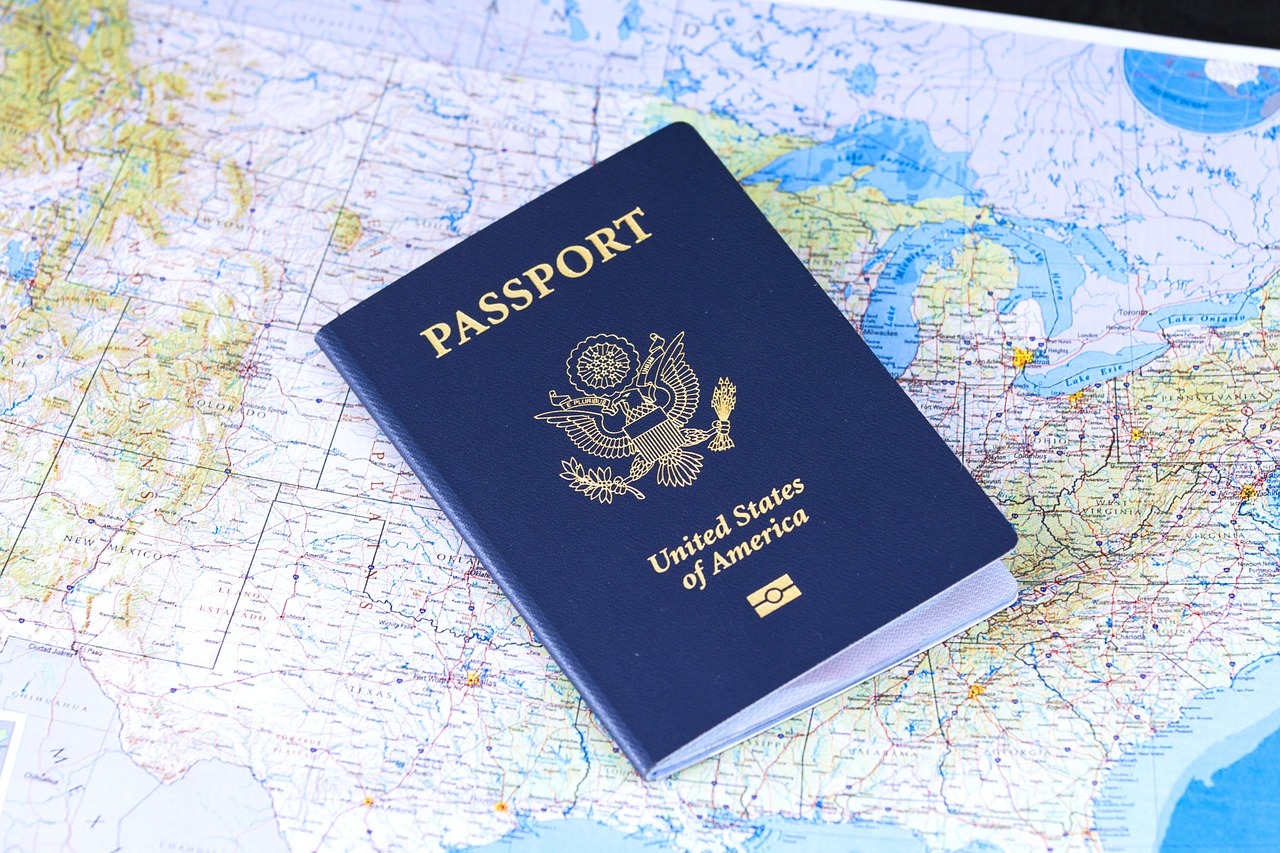 The Philippines offers a Visa on Arrival (VOA) for select nationalities, allowing eligible travelers to apply for a visa upon entering the country. To be qualified, applicants must meet specific requirements, including having a valid passport with at least six months’ validity, a return ticket, and sufficient funds for their stay. The visa grants a maximum stay of 30 days, which can be extended for an additional 29 days at the Bureau of Immigration. The VOA fee is payable in cash at the port of entry and currently amounts to USD $25 for Tourist Visa and USD $1 for the Environmental Fee. It’s essential to note that not all nationalities are eligible for the VOA, and some may need to secure a visa before departing for the Philippines. Always check the latest visa regulations and requirements with the Philippine Embassy or Consulate in your country before traveling.
Apply for a Philippines Visa Online
 The Philippines government offers an online visa application process for foreign nationals planning to enter the country. Applicants can access the online system through the official website of the Bureau of Immigration. The process requires applicants to provide personal information, travel details, and supporting documents such as a valid passport, proof of financial capability, and a recent photograph. Applicants will also need to pay the visa fee online using a credit or debit card. Once the application is complete and the fee is paid, applicants will receive an email with instructions on how to proceed with the next steps, which may include scheduling an interview at the Philippine embassy or consulate in their country of residence. It is important to note that not all visa types are available for online application, and applicants should check the eligibility requirements and the visa processing time before applying.
How long does it take to process a Philippines Visa application?
 The processing time for a Philippines visa application varies depending on the type of visa and the embassy or consulate where you submit your application. For touristic or business visas, processing usually takes around 5 to 10 business days. However, for work or study visas, the process can take up to 2 months or more due to additional requirements and background checks. Applicants are advised to submit all necessary documents and pay the application fee in advance to ensure a timely processing. Expedited services are available for an additional fee for those who require a visa urgently. It’s recommended to check the specific embassy or consulate website for the most accurate and up-to-date information on processing times.
What are the Philippines Visa Requirements?
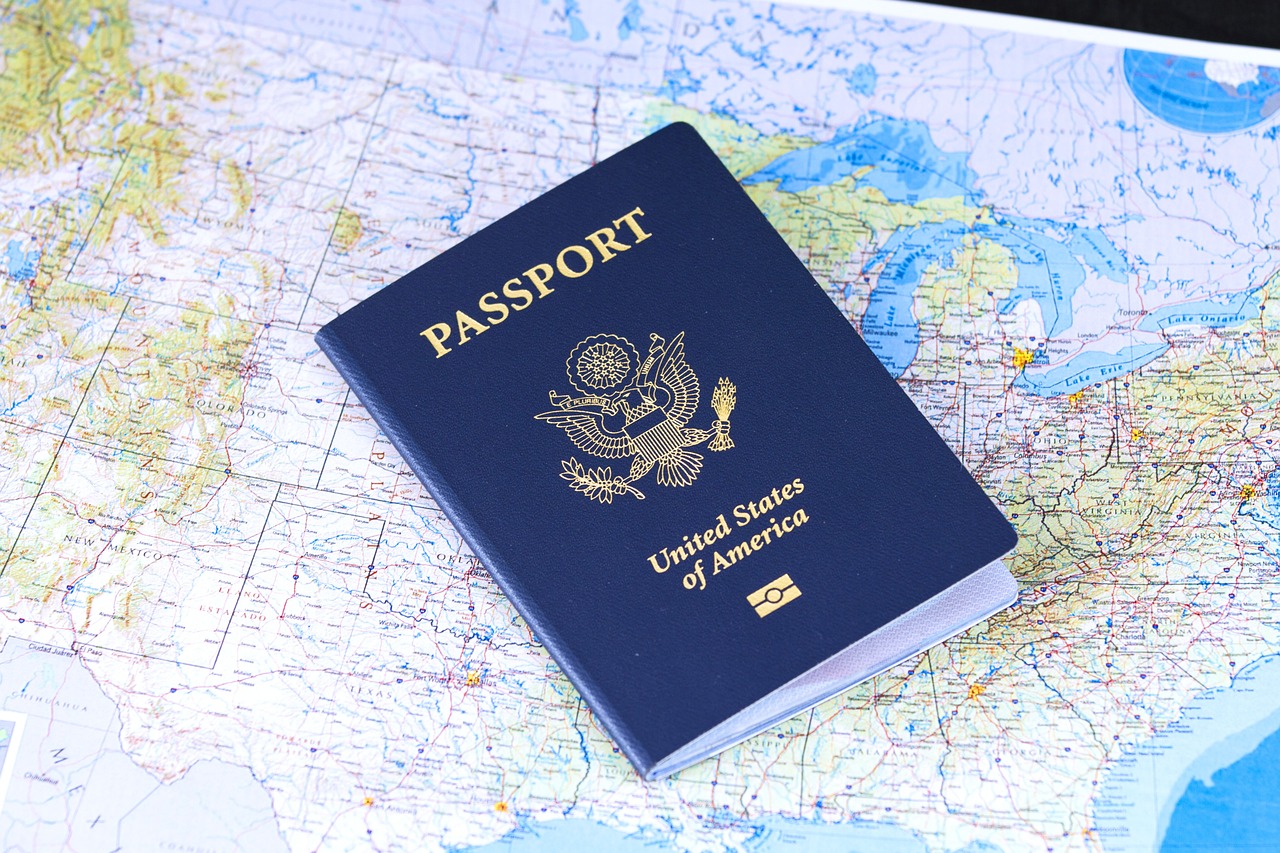 The Philippines imposes visa requirements for foreign nationals intending to enter the country for various purposes, including tourism, work, study, and permanent residence. The specific visa type depends on the length of stay and the intended activity. For tourism, a 30-day free visa is usually granted upon arrival, but a 59-day or 60-day visa can be obtained prior to travel. For longer stays or work-related activities, applicants must secure a visa from the Philippine embassy or consulate in their home country. Required documents include a valid passport, completed application form, passport-sized photos, proof of financial capability, and a letter of invitation or employment contract. Processing times and fees vary depending on the visa category and individual circumstances. It is recommended to check the Philippine Department of Foreign Affairs website for the most up-to-date information and requirements.
How long is a Philippines Visa valid?
 A Philippines visa’s validity depends on its type. A tourist visa, also known as a 30-day visa, is valid for 30 days from the first entry date and can be extended for an additional 29 days. A 60-day visa, on the other hand, is valid for 60 days from the first entry date and cannot be extended. A 90-day single-entry visa is valid for 90 days from the first entry date and cannot be extended or converted to a longer stay visa. A 90-day multiple-entry visa is valid for one year from the date of issue and allows multiple entries during that period. It’s important to note that staying beyond the visa validity may result in overstay fines and potential denial of entry for future visits. Always check with the Philippine Embassy or Consulate for the most current visa regulations.
Can I extend a Philippines Visa?
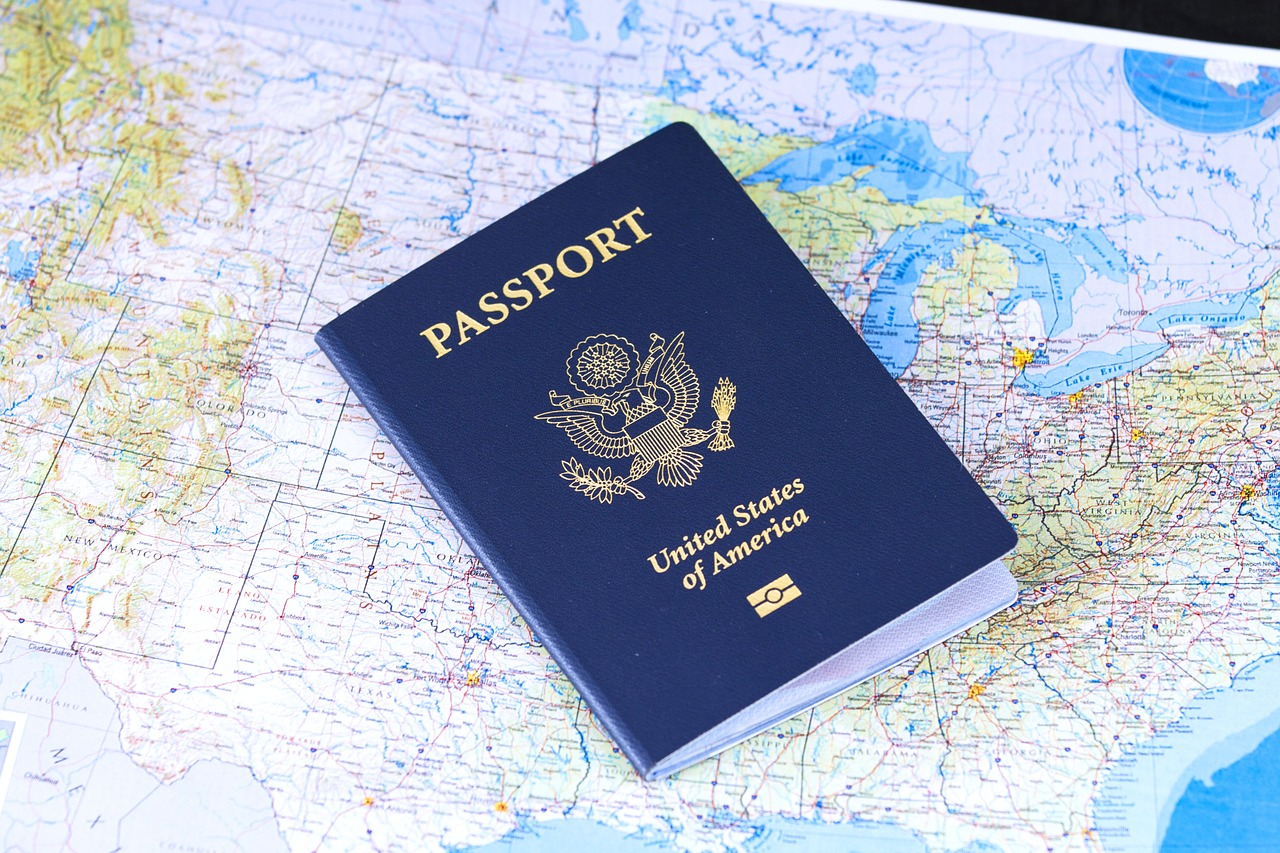 The Philippines offers various types of visas for foreigners, each with its own duration and extension rules. Generally, a 59-day tourist visa can be extended once for an additional 29 days at the Bureau of Immigration. For longer stays, an alien employment visa or a special non-immigrant visa may be required. These visas can be extended for up to one year, depending on the specific visa category and the discretion of the immigration officer. To extend a visa, applicants must submit the necessary documents, including proof of income or financial capacity, and pay the corresponding fees. It is recommended to apply for a visa extension before the current visa expires to avoid overstaying, which may result in penalties or denial of entry in the future.
How Long Can I Get a Philippines Visa Extension?
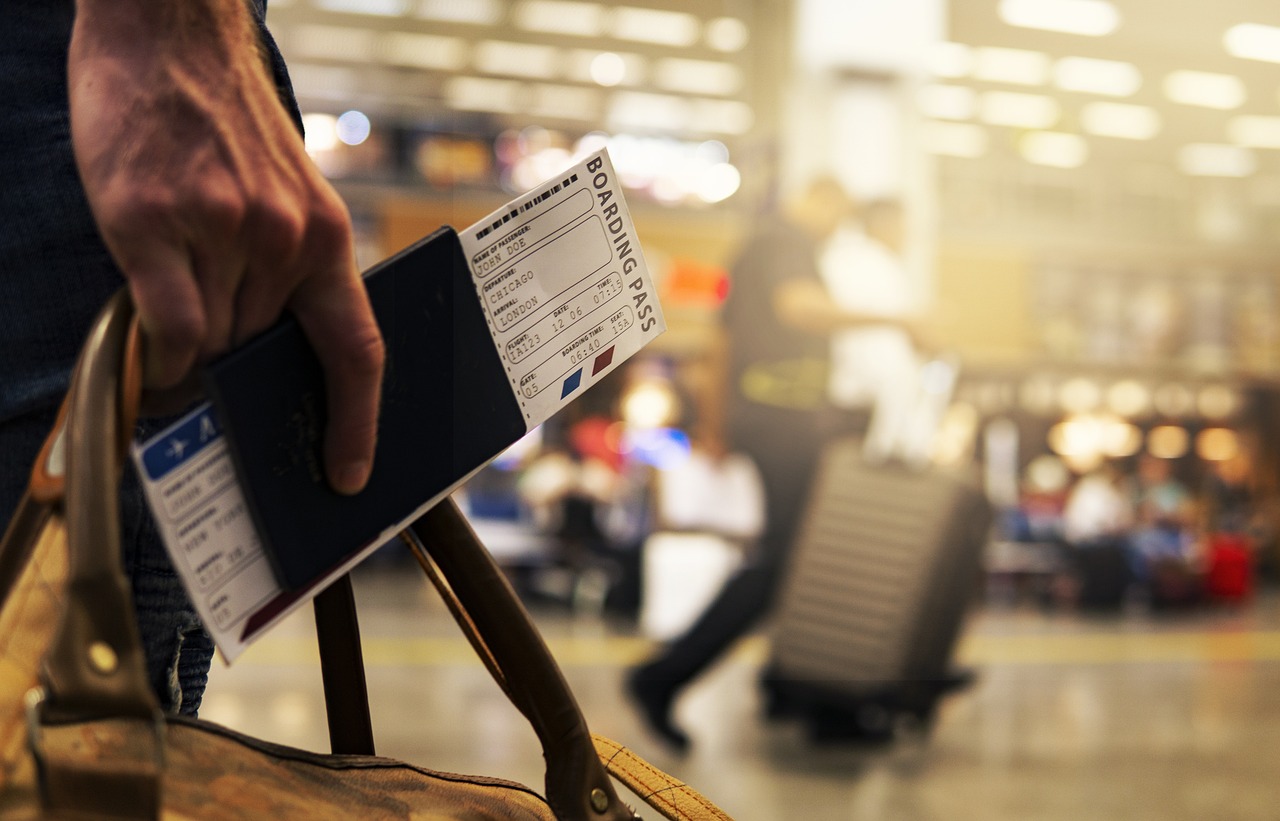 A Philippines visa extension allows foreigners to stay in the country beyond the initial duration of their visa. The length of the extension varies depending on the visa type. For example, a 30-day tourist visa can be extended for an additional 29 days, while a 6-month missionary visa can be extended up to 1 year. Extensions are typically granted at the Bureau of Immigration office and require the payment of a fee. It’s important to note that visa extensions do not guarantee automatic renewal and are subject to approval based on individual circumstances. Applicants should ensure they apply for extensions before their current visa expires to avoid overstaying, which can result in fines and potential legal consequences.
Eligible countries
- Citizens of ASEAN countries, EU Member States, Canada, Australia, and the US
- Citizens of countries with a reciprocal agreement with the Philippines
These countries do not require a visa for short-term stays in the Philippines (up to 59 days). For longer stays, a visa or visa extension is required.
Here are the types of Philippine visas:
- Philippine Non-Immigrant Visas: for foreigners visiting for a short period of time and not intending to become permanent residents
- Philippine Immigrant Visas: for foreigners falling under specific categories
- Philippine Special Visas: for foreigners investing, employing Filipinos, or retiring in the Philippines
To apply for a Philippine visa, you can:
- Apply at a Philippine Embassy or Consulate
- Apply on arrival at an international airport in the Philippines
- Apply online (for citizens of Taiwan only)
The processing time for a Philippine visa application is between two to ten working days.
Required documents for a Philippine visa application include:
- Completed and signed Philippines Visa Application Form
- Valid passport with at least two blank pages
- Passport-size pictures
- Proof of sufficient financial means
- Proof of employment or student status
- Payment of the Philippines visa fee
Additional documents may be required depending on the purpose of your visit. For minors traveling alone, additional documents are also required.
Visas can be issued for a period of three months to one year, but the holder can only stay in the Philippines for 59 days per entry. Visas can be extended for several months depending on the length of the initial stay.
Summary
The Philippines is a Southeast Asian country consisting of over a thousand islands. Visitors from certain countries, including ASEAN members, EU Member States, Canada, Australia, and the US, can enter for short-term stays (up to 59 days) without a visa. For longer stays, a Philippine Tourist Visa is required.
Three main types of Philippine visas are:
1. Non-Immigrant Visas: for short-term stays, including Tourist, Business, Student, and Work Visas.
2. Immigrant Visas: for those intending to live permanently, such as Quota Immigrants, Former Filipino Citizens, and their families.
3. Special Visas: for investors, retirees, and those employing Filipinos.
To apply for a Philippine Tourist Visa, submit the application form, passport, passport-size photos, proof of financial means, and return-flight ticket or onward travel ticket. Processing time is typically 2-10 working days.
Visas can be applied for at an Embassy/Consulate, on arrival, or online (for Taiwanese citizens only). Document requirements may vary depending on the application method and individual circumstances.
Visas are valid for 59 days per entry, and can be extended for additional periods. Extensions can be granted for up to 24 months for non-immigrants and up to 36 months for those entering under a visa-waiver agreement.